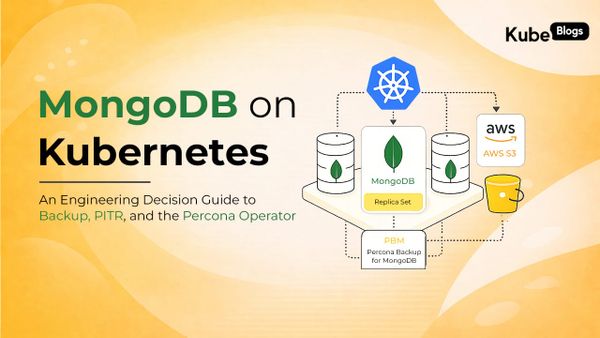
MongoDB MongoDB on Kubernetes: An Engineering Decision Guide to Backup, PITR, and the Percona Operator Learn how to run MongoDB on Kubernetes with the Percona Operator using replica sets, physical backups, and Point-in-Time Recovery (PITR). Explore production architecture, backup strategies, and recovery best practices.
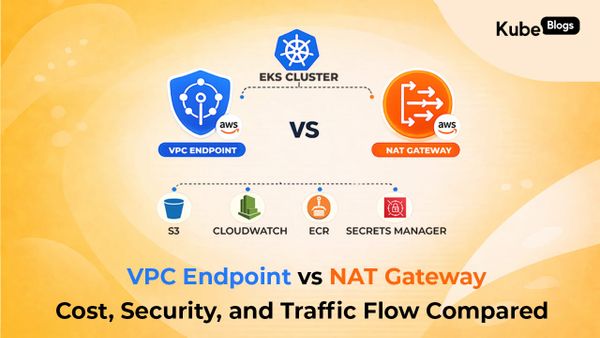
AWS VPC Endpoint vs NAT Gateway: Which AWS Networking Choice Reduces Kubernetes Costs in 2026? Learn when to use AWS VPC Endpoints and NAT Gateways in Kubernetes environments. Compare cost, security, traffic flow, and EKS networking tradeoffs to reduce AWS infrastructure spend.
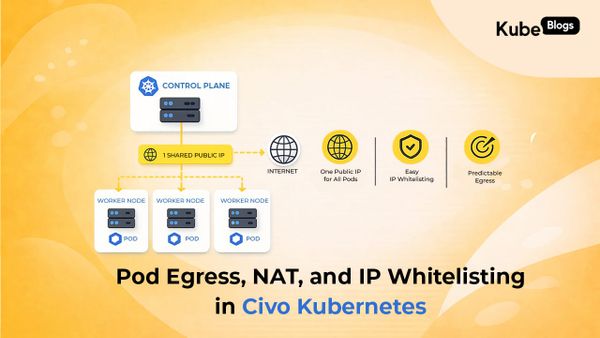
Kubernetes Featured Civo Kubernetes: Where Does Your Pod's Traffic Actually Go? A practical look at how Civo Kubernetes routes outbound pod traffic, handles SNAT, and exposes a shared public egress IP for API whitelisting and external connectivity.
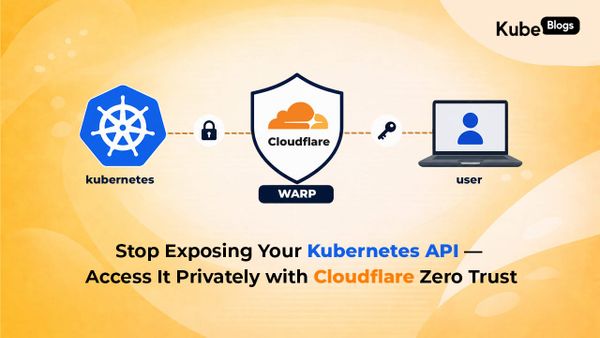
Kubernetes Your Kubernetes API Is Public — Here’s How to Make It Private Secure your Kubernetes API by removing public exposure. Learn how to use Cloudflare Zero Trust and WARP to enable private, identity-based access with a step-by-step guide.
Kubernetes K3s vs Kubernetes (K8s): Performance, Architecture, Use Cases and When to Choose Each K3s vs Kubernetes (K8s) comparison with architecture, performance, and use cases. Find the right choice for DevOps, edge, and production.
Kubernetes Featured Fluent Bit vs Grafana Alloy: Best Kubernetes Observability Setup (2026 Guide) Thinking of replacing Fluent Bit with Grafana Alloy? Here’s what actually works in real Kubernetes production environments—performance, trade-offs, and the best setup.
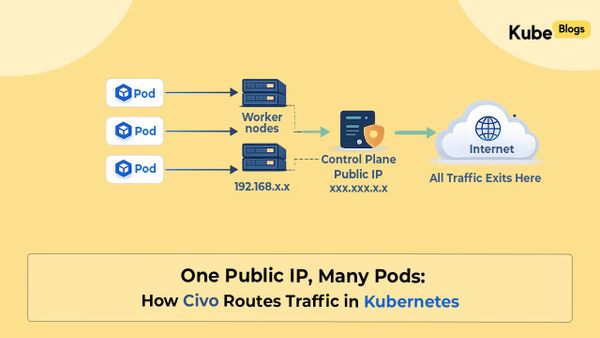
Kubernetes How Civo Kubernetes Routes Pod Traffic (Single Egress IP Explained) Introduction On Civo’s managed Kubernetes (built on K3s), worker nodes don’t get public IPs. Only the control plane does. That means no matter which node your pod lands on, its outbound traffic leaves the cluster through a single public-facing IP. This is intentional. It simplifies networking, but
hidden Centralized Logging on EKS Fargate Using Fluent Bit & CloudWatch Introduction Running workloads on Amazon EKS Fargate is great—you get a serverless container environment without worrying about EC2 nodes. But that also raises a question: how do you centralize logs when there are no nodes to install log agents on? In a normal Kubernetes cluster, you’d run Fluent
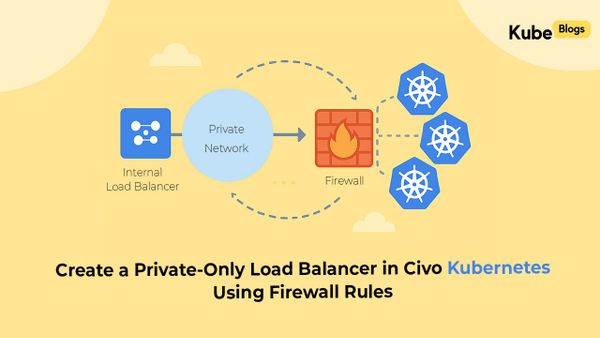
Kubernetes How to Create an Internal Load Balancer in Civo Kubernetes (Step-by-Step Guide) Civo Kubernetes clusters do not have a private only load balancer. So if you have a need to create a load balancer that is accessible only in the private network then you can use a custom firewall rule. By default, Civo creates load balancers with both public and private IP